

Wondering how tight a dog collar should be? Learn the perfect fit, common mistakes, safety tips, and how to ensure your dog’s comfort every day.
A dog’s collar is one of the few things they wear every single day. It rests against their skin, moves with them, and stays on through walks, play, rest, and everything in between. Yet, one simple question is often overlooked: how tight should a dog collar actually be?
Too loose, and it risks slipping off at the worst possible moment. Too tight, and it can quietly cause discomfort, irritation, or even harm. The right fit isn’t just about safety—it’s about respecting your dog’s comfort in the smallest, most constant detail of their life.
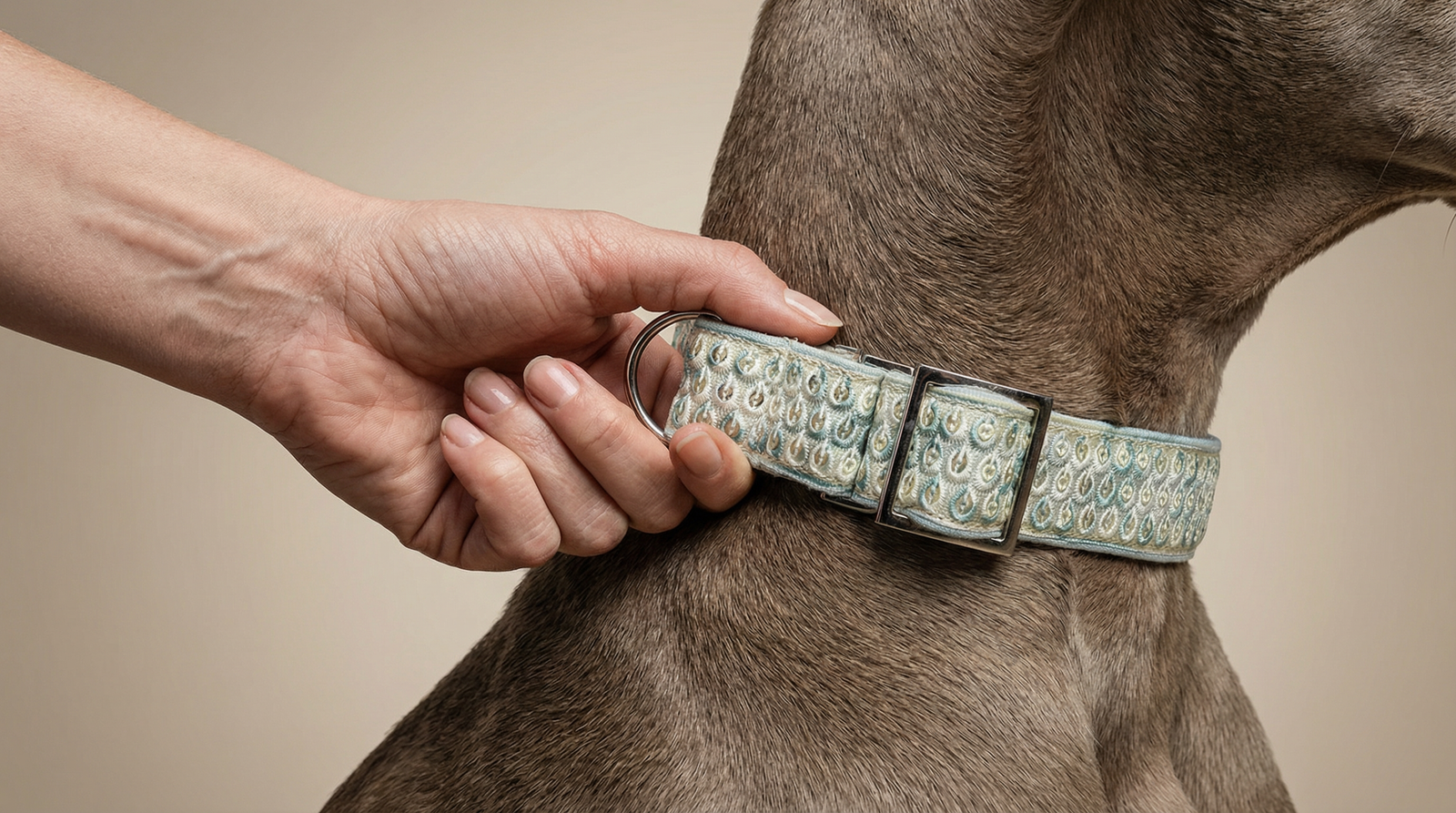
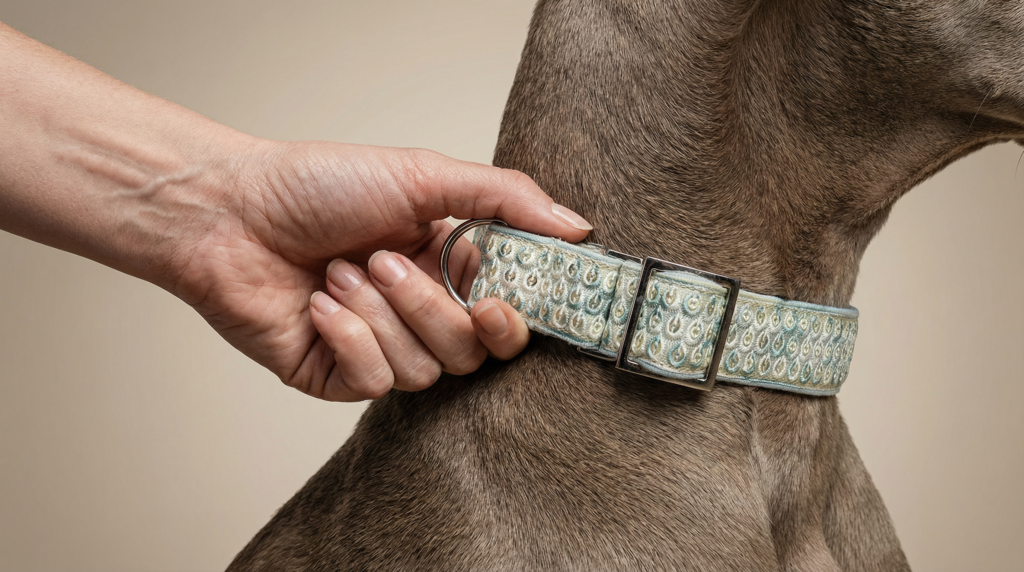
The simplest way to get it right is the two-finger rule. You should be able to comfortably slide two fingers between your dog’s neck and the collar. If you can’t, it’s too tight. If there’s too much space, it’s too loose. This small check creates the perfect balance between security and ease, allowing your dog to breathe, move, and exist naturally—without even noticing the collar.
Proper fit matters more than most people realize. A collar that’s too tight can lead to skin irritation, chafing, hair loss, and unnecessary stress. In more serious cases, it can restrict breathing or create long-term discomfort that your dog cannot communicate directly. On the other hand, a collar that’s too loose can slip off during walks, reduce your control in unfamiliar environments, or even get caught on objects, creating safety risks. The goal is simple: your dog should feel safe, not restricted.
Dogs don’t complain—they show. If your dog’s collar is too tight, you may notice constant scratching, redness under the collar, or reluctance to wear it. If it’s too loose, the collar may rotate excessively, slip over the head, or fail to stay in place during walks. Paying attention to these small behavioral cues is key to getting the fit just right.
It’s also important to remember that not all dogs require the same fit. Puppies grow quickly, which means their collar size needs to be checked and adjusted every one to two weeks. Long-haired dogs can be especially tricky, as their fur may hide how tight the collar really is—you should always check against the skin, not the coat. Smaller breeds tend to have more delicate necks and benefit from lighter, softer materials, while highly active or pulling dogs may require alternatives like no-pull collars or harnesses to distribute pressure more safely.
Beyond fit, material plays a crucial role in comfort. A perfectly adjusted collar made from rough or rigid material can still cause irritation over time. Soft, breathable fabrics, smooth edges, and flexible construction make a noticeable difference in how the collar feels throughout the day. True comfort isn’t just about how tight something is—it’s about how it behaves against your dog’s skin over hours of wear.
Measuring your dog’s neck properly is the foundation of a good fit. Using a soft measuring tape, measure around the base of your dog’s neck and add about one to two inches for comfort. Once the collar is on, always confirm with the two-finger test. Precision here ensures that your dog isn’t constantly adjusting to something that should feel natural.
It’s equally important to revisit the fit regularly. Dogs change—whether it’s growth, weight fluctuations, or even seasonal coat changes. What fits perfectly today may not fit the same in a few weeks. As a rule of thumb, check the collar every two to three weeks for adult dogs and more frequently for puppies. Consistency ensures that comfort isn’t accidental—it’s maintained.
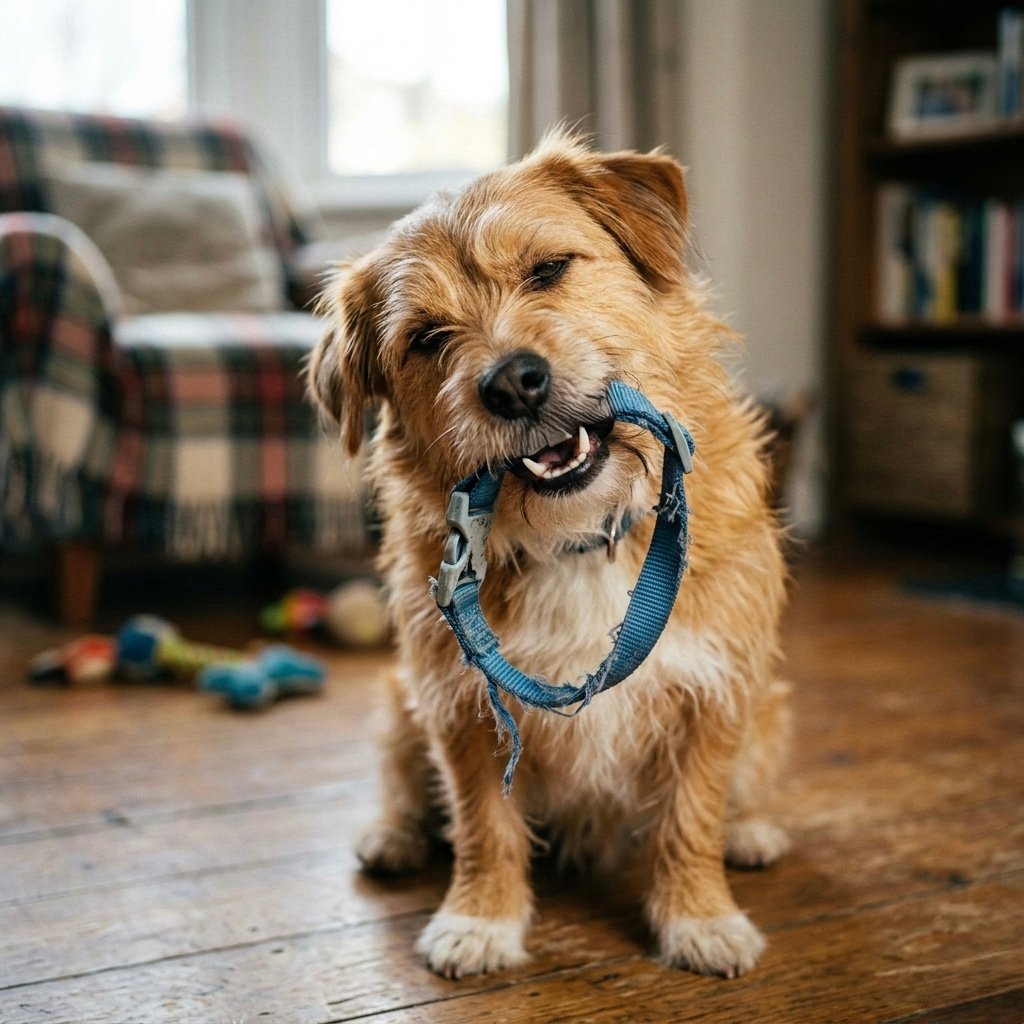
Many dog owners make the mistake of treating collars as a one-time purchase rather than an ongoing responsibility. Choosing style over comfort, forgetting to adjust after buying, ignoring wear and tear, or leaving collars on indefinitely without checks can all compromise your dog’s experience. A collar is not a “set it and forget it” accessory—it’s a daily essential that deserves attention.
At its core, this isn’t just about fit. It’s about intention. Your dog doesn’t choose what they wear—you do. And that choice should reflect care, awareness, and a commitment to their well-being. A well-fitted collar becomes invisible in the best way possible. It doesn’t distract, irritate, or restrict. It simply exists—quietly supporting your dog through their day.
So, how tight should a dog collar be? Tight enough to stay on securely, loose enough to allow easy breathing, and comfortable enough that your dog forgets it’s even there. Because in the end, the best collar isn’t the one that looks the best—it’s the one your dog feels the least.